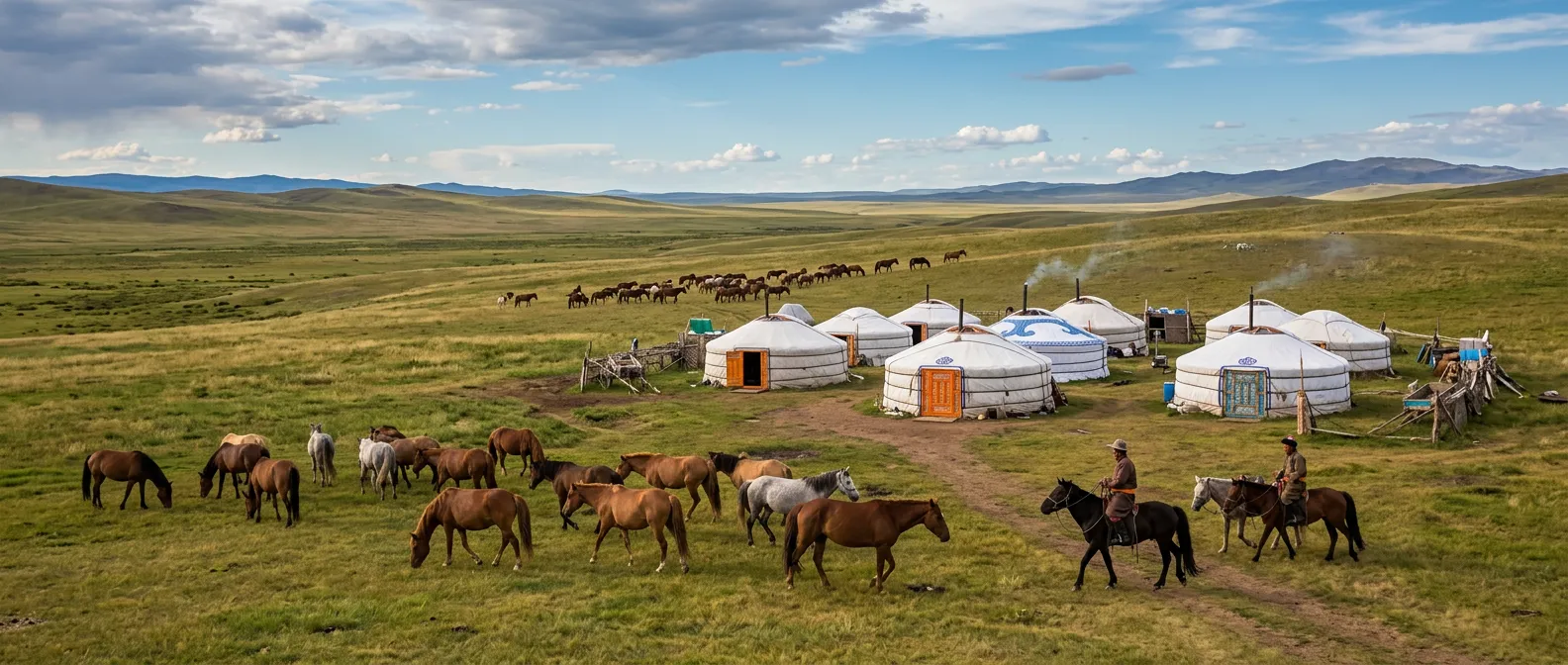
Mongolia is generally safe for tourists – most governments rate it Level 1 (Exercise Normal Precautions). Petty crime exists in Ulaanbaatar, road conditions outside the capital are poor, and extreme winter weather poses real risks. With basic preparation and awareness, the vast majority of visitors have a safe and rewarding experience. This guide covers everything you need to know about staying safe in Mongolia, from crime hotspots to health risks and cultural etiquette.
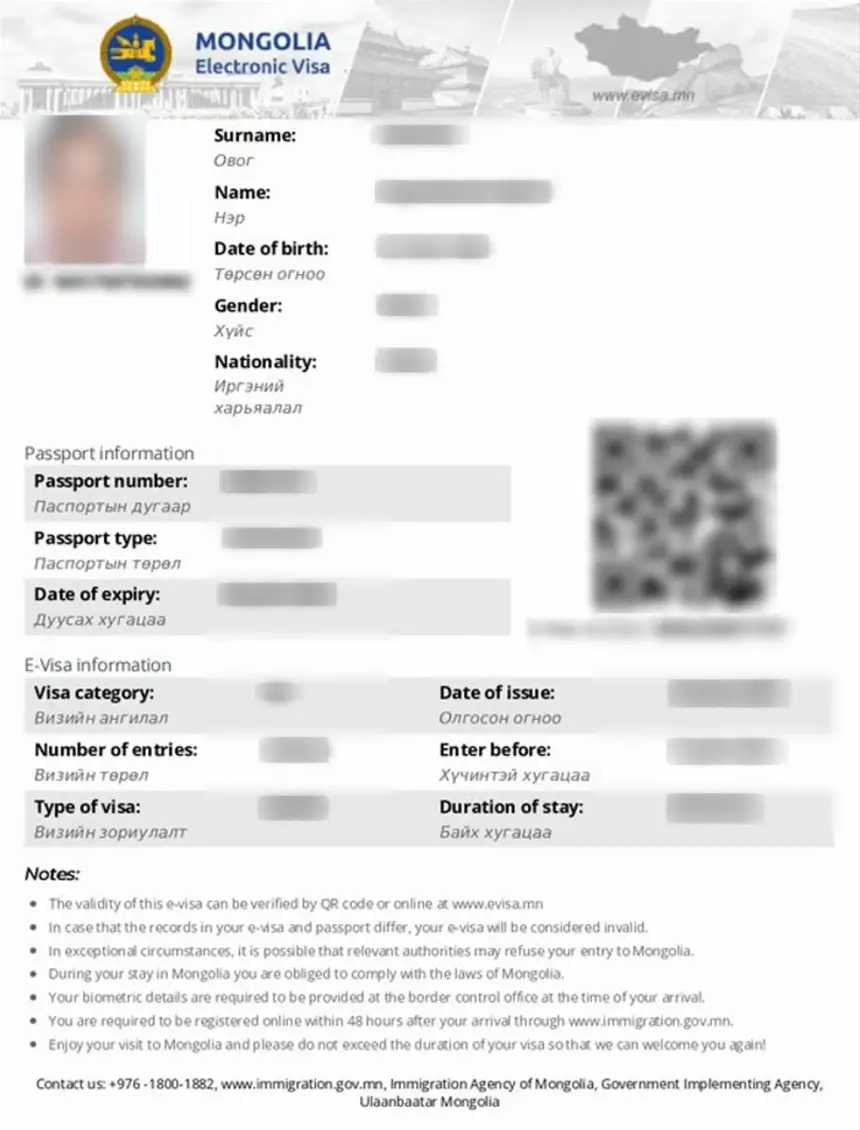
Before you travel, make sure your visa and entry documents are in order. Check our Mongolia eVisa guide for the fastest way to secure your entry permit, or see the full visa requirements if you are applying through an embassy.
Is Mongolia Safe to Visit?
Yes – Mongolia is considered a safe destination for international travelers. The Canadian government advises visitors to “take normal security precautions,” which is the lowest advisory level. The US State Department rates Mongolia at Level 1 (Exercise Normal Precautions), and Australia’s Smartraveller similarly recommends normal safety awareness.
That said, Mongolia is a developing country with limited infrastructure outside the capital. Petty crime, poor roads, extreme weather, and occasional cultural misunderstandings are the main risks tourists face. None of these are reasons to avoid Mongolia – they are simply things to prepare for.
Crime in Mongolia: What to Expect
Petty crime is the most common safety concern for tourists. Pickpocketing and purse snatching occur regularly in:
- Ulaanbaatar’s tourist areas and open-air markets
- The Black Market (Narantuul Market)
- The central railway station
- Crowded bus stops and public transportation
- The Gandantegchinlen Monastery
- The State Department Store in Ulaanbaatar
Violent crime is less common but does occur, particularly in Ulaanbaatar and larger cities like Erdenet and Darkhan. Risk increases during major holidays, including the Naadam Festival in July, Lunar New Year (Tsagaan Sar) in February, and International Women’s Day on March 8.
One specific scam involves individuals posing as police officers who approach foreigners, especially near Sukhbaatar Square. If someone claiming to be police approaches you, ask to see their credentials or offer to go to the nearest police station.
| Crime Type | Risk Level | Where | Prevention |
|---|---|---|---|
| Pickpocketing | Moderate | Ulaanbaatar markets, transit | Money belt, secure bags |
| Bag snatching | Moderate | Tourist areas, bus stops | Cross-body bags, awareness |
| Violent crime | Low-moderate | ULA at night, holidays | Avoid walking alone after dark |
| Police impersonation | Low | Sukhbaatar Square area | Ask for credentials |
| Scams targeting tourists | Low-moderate | Bars, nightclubs | Stay alert, limit alcohol |
Ulaanbaatar Safety at Night
Ulaanbaatar requires extra caution after dark. Avoid walking alone past 22:00, especially in poorly lit areas and side streets. The city center is generally safer than outer districts, but isolated areas near the railway station and some southern neighborhoods should be avoided at night.
Alcohol-fueled aggression is a real issue. Mongolia has significant social challenges with alcoholism, and encounters with intoxicated individuals – particularly young men – can escalate quickly. If you are out at night, stick to well-lit, populated areas and use registered taxis rather than walking.
Road Safety and Driving in Mongolia
Road safety is one of the biggest risks for travelers in Mongolia. Outside Ulaanbaatar, paved roads are limited and many routes are unpaved tracks across open steppe. Driving conditions are hazardous due to:
- Poor road surfaces and lack of signage
- Aggressive and drunk driving (common in cities)
- Many vehicles having right-side steering despite driving on the right side of the road
- Traffic laws not consistently enforced
- Extreme weather making roads impassable in winter
If you plan to drive outside Ulaanbaatar, use a four-wheel-drive vehicle with extra fuel, water, and provisions. Travel with an experienced guide or driver familiar with local conditions. Avoid driving after dark in rural areas. In winter, heavy snowfalls can block access to remote regions entirely.
Within Ulaanbaatar, chronic traffic congestion is the main driving challenge. If you are not used to driving in developing countries, consider using taxis or ride-sharing services instead.
| Driving Factor | Ulaanbaatar | Rural Areas |
|---|---|---|
| Road quality | Fair to poor | Poor to very poor |
| Traffic enforcement | Inconsistent | Minimal |
| Drunk driving risk | Moderate | Moderate-high |
| Emergency services | Available | Very limited |
| GPS/navigation | Works well | Often unreliable |
Health Risks for Travelers
Mongolia poses several health risks that travelers should prepare for before arrival:
- Rabies: Nomadic dogs may carry rabies. Consider getting a rabies vaccination before your trip, especially if you plan to visit rural areas or stay with nomadic families.
- Hepatitis and tuberculosis: Both are common throughout Mongolia. Ensure your vaccinations are up to date.
- Air pollution: Ulaanbaatar has severe air pollution, especially in winter when coal burning for domestic heating intensifies. Travelers with respiratory conditions should consult a doctor before visiting in winter months.
- Contaminated water: Tap water is unsafe to drink throughout Mongolia. Always drink bottled or purified water.
- Bubonic plague: Rare but documented – marmots can carry plague through their fleas. Avoid eating marmot meat, especially in certain seasons.
Pack a basic medical kit and ensure your travel insurance covers medical evacuation. Hospitals in Ulaanbaatar can handle routine issues, but serious emergencies may require evacuation to China, South Korea, or Japan.
Extreme Weather Safety
Mongolia’s weather is one of its greatest hazards. Ulaanbaatar is the coldest capital city in the world, with winter temperatures regularly dropping to -40°C. Summer brings heat waves and sudden storms.
Winter safety (November-March):
– Layer clothing extensively – thermal base layers, insulating mid-layers, windproof outer shell
– Limit time outdoors to prevent frostbite
– Never venture into rural areas alone in winter
– Ensure vehicles have winter tires, emergency supplies, and extra fuel
Summer safety (June-August):
– Temperatures can reach 35°C in the Gobi region
– Sudden thunderstorms and flash floods are possible
– UV radiation is intense at high altitude – use sunscreen and sunglasses
The best time to visit for comfortable, safe travel is June through September, when temperatures are mild and roads are generally accessible.
LGBTQ+ Traveler Safety
Mongolian law does not criminalize same-sex relationships, but LGBTQ+ travelers should exercise caution. Discrimination, harassment, and verbal abuse have been reported. Mongolia’s National Human Rights Commission has documented cases of police harassment of LGBTQ+ individuals.
Same-sex marriage and civil unions are not legally recognized. While Ulaanbaatar has a small but growing LGBTQ+ community, public displays of affection between same-sex couples may attract negative attention. LGBTQ+ travelers are advised to be discreet in public, particularly outside the capital.
Solo Female Traveler Safety
Mongolia is generally manageable for solo female travelers, but certain risks deserve attention:
- Groping (chest or behind) is not uncommon, particularly in crowded areas or nightlife settings
- Dancing close to a Mongolian man may be misinterpreted as a romantic invitation
- Avoid walking alone after dark in Ulaanbaatar
- When visiting nomadic families, travel with a guide or trusted local for added security
- Registered taxis are safer than hailing random cars at night
Many solo female travelers visit Mongolia without incident. The key is staying aware of your surroundings, trusting your instincts, and following the same precautions you would in any developing country.
Cultural Etiquette for Safety
Understanding Mongolian customs can prevent misunderstandings that might otherwise escalate into uncomfortable or unsafe situations. Mongolians are generally welcoming, but certain behaviors are considered deeply offensive:
Ger (yurt) etiquette:
– Always accept food or drink offered – refusing is very rude
– Receive items with your right hand, palm facing up
– Never whistle inside a ger
– Do not lean against the support column
– Do not stand on or lean over the threshold
– Do not walk in front of an older person or turn your back to the altar
General customs:
– Never point at anyone with your index finger
– Do not touch other people’s hats
– If you accidentally touch someone’s foot, shake their hand immediately – failing to do so is an insult
– Avoid speaking negatively about Genghis Khan – he is revered as a national hero
– Do not urinate in lakes or bodies of water – water is considered sacred
Understanding these customs shows respect and helps you build positive relationships with locals, which is the best safety strategy of all.
Safety Checklist Before You Go
Use this checklist to prepare for a safe trip to Mongolia:
- Valid passport with at least 6 months remaining validity (180 days for eVisa)
- Mongolia eVisa or embassy visa arranged in advance
- Travel insurance with medical evacuation coverage
- Rabies vaccination (recommended for rural travel)
- Hepatitis A and B vaccinations up to date
- Basic medical kit with water purification tablets
- Money belt or anti-theft bag for Ulaanbaatar
- Warm layers for any season (temperatures drop sharply at night even in summer)
- Emergency contacts saved: Mongolia country code +976, tourist police, embassy
- Copy of passport and visa stored separately from originals
- Registration with your country’s embassy in Mongolia
- If staying 30+ days: register with Mongolia’s Immigration Agency within 7 days of arrival
For citizens of visa-free countries, see our complete visa-free countries list. US citizens can check our US-specific Mongolia visa guide for detailed entry requirements.
FAQs About Mongolia Travel Safety
Is Mongolia safe for American tourists?
Yes, Mongolia is safe for American tourists. The US State Department rates Mongolia at Level 1 (Exercise Normal Precautions). US citizens can stay visa-free for up to 90 days. The main risks are petty crime in Ulaanbaatar, poor road conditions, and extreme weather.
What is the crime rate in Mongolia?
Mongolia has a moderate crime rate by global standards. Petty crime like pickpocketing is the most common concern for tourists, particularly in Ulaanbaatar. Violent crime exists but is less common and usually alcohol-related. The countryside is generally very safe.
Is Ulaanbaatar safe at night?
Ulaanbaatar requires extra caution at night. Avoid walking alone after 22:00, especially in poorly lit areas. Use registered taxis instead of walking. Stay in well-lit, populated areas and avoid engaging with intoxicated individuals.
Do I need travel insurance for Mongolia?
Yes, travel insurance is strongly recommended for Mongolia. Medical facilities outside Ulaanbaatar are extremely limited, and serious emergencies may require evacuation to China, South Korea, or Japan. Make sure your policy covers medical evacuation and adventure activities if you plan to trek, ride horses, or camp.
Is Mongolia safe for solo female travelers?
Mongolia is generally safe for solo female travelers, though groping in crowded areas is not uncommon. Avoid walking alone at night, use registered taxis, and travel with a guide when visiting remote areas. Many solo women visit Mongolia without issues.
What vaccinations do I need for Mongolia?
Recommended vaccinations include Hepatitis A and B, rabies (especially for rural travel), and routine boosters (tetanus, diphtheria). Tap water is unsafe to drink – always use bottled or purified water.
Is the food safe to eat in Mongolia?
Food in Mongolia is generally safe, particularly in Ulaanbaatar restaurants. In rural areas, be cautious with dairy products (fermented mare’s milk, dried curds) if you have a sensitive stomach. Avoid eating marmot meat due to rare plague risk.
What should I do if I am robbed in Mongolia?
File a police report immediately. Contact your embassy for assistance. Keep copies of your passport, visa, and insurance documents separate from the originals. The tourist police in Ulaanbaatar can assist English-speaking visitors.
Are there any areas of Mongolia I should avoid?
There are no travel-restricted zones in Mongolia. However, avoid walking alone at night in poorly lit areas of Ulaanbaatar, particularly near the railway station and some southern neighborhoods. The border areas with Russia and China require special permits.
Is Mongolia safe during Naadam Festival?
Naadam Festival (July) is a wonderful cultural experience but petty crime increases during this period due to large crowds. Keep valuables secure, stay aware in crowded areas, and book accommodation well in advance as the city fills up.