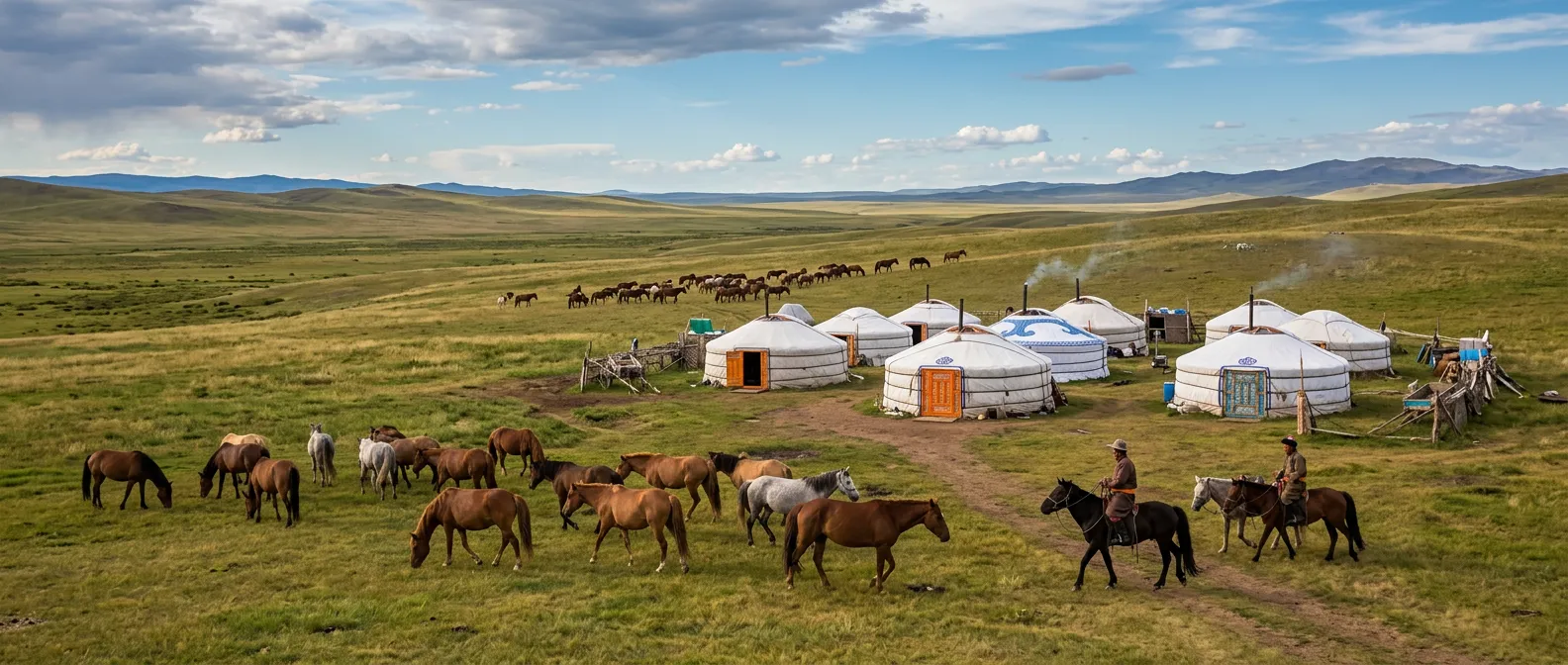
Good news for Australian passport holders: as of 2026, you can visit Mongolia without a visa for up to 30 days. This temporary visa-free arrangement, in place since January 2023, makes it easier than ever for Aussies to experience the vast steppes, nomadic culture, and rugged beauty of Mongolia.
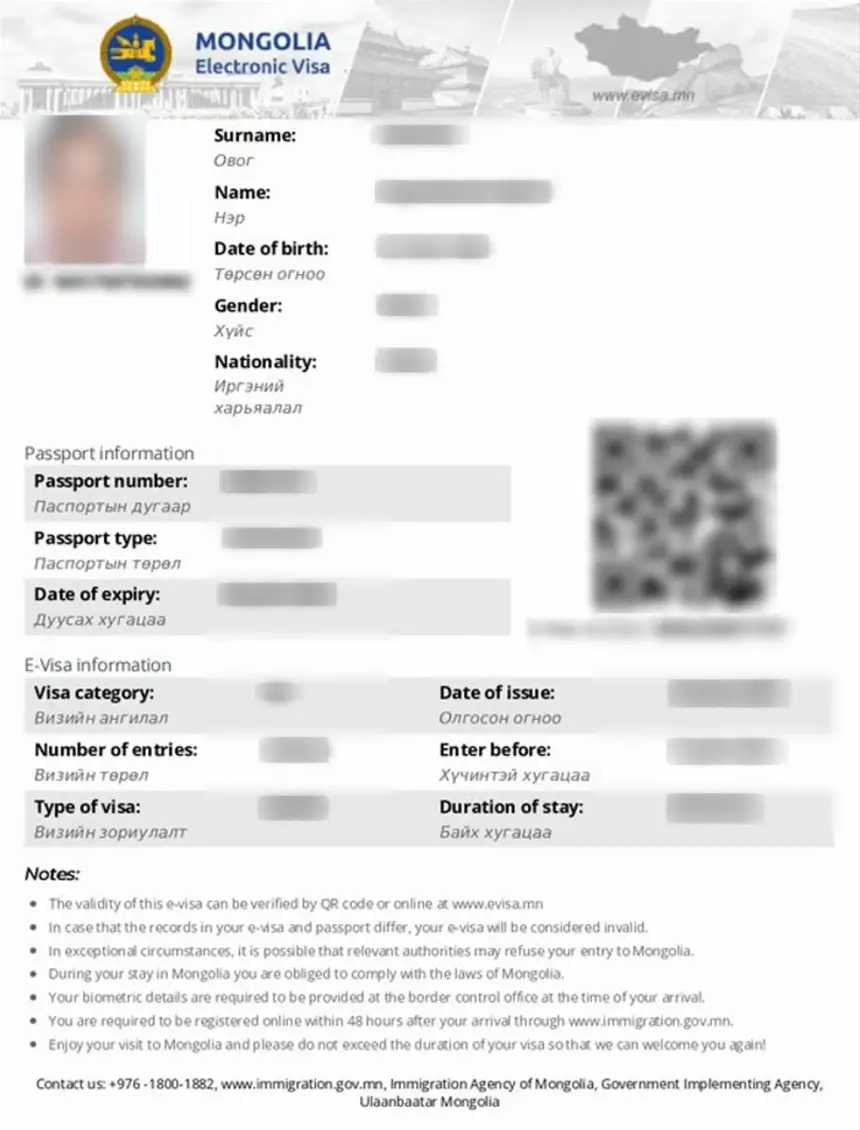
But this visa-free window has an expiry date. Starting January 1, 2027, Australian citizens will need to obtain an electronic visa (eVisa) before travelling to Mongolia. Whether you are planning a trip now or looking ahead to next year, this guide covers everything you need to know about Mongolia visa requirements for Australian citizens.
Do Australian Citizens Need a Visa for Mongolia?
No, not in 2026. Australian passport holders can enter Mongolia visa-free for stays of up to 30 days under a temporary regime that runs until December 31, 2026. This exemption was introduced on January 4, 2023, and has been extended through the end of 2026.
From January 1, 2027 onward, Australians will need to apply for an eVisa before travelling to Mongolia. The eVisa application is handled entirely online through the official portal at evisa.mn.
Here is a quick summary:
| Period | Visa Required? | Maximum Stay |
|---|---|---|
| Now through December 31, 2026 | No – visa-free | 30 days |
| From January 1, 2027 | Yes – eVisa required | 30 days (K2 tourism) |
Mongolia Visa-Free Entry for Australians (2026)
If you are an Australian citizen travelling to Mongolia before the end of 2026, you do not need to apply for any visa in advance. You can simply arrive with a valid passport and stay for up to 30 days.
Key conditions for visa-free entry:
- Your passport must be valid for at least 6 months from your date of arrival
- Your stay cannot exceed 30 days
- You must have proof of onward travel (a return or onward flight ticket)
- You should carry proof of accommodation booking
This visa-free arrangement covers tourism, short business visits, and transit. If you plan to work, study, or stay longer than 30 days, you will need to apply for the appropriate visa category through the Mongolian embassy or the eVisa system.
Important: The 30-day visa-free period cannot be extended. If you overstay, you may face fines and difficulties when departing Mongolia.
Mongolia eVisa Options for Australians
Even though Australians do not currently need a visa for short visits, the eVisa system at evisa.mn is already available and will become mandatory from 2027. Australia is on the list of 98 countries eligible for Mongolia’s electronic visa.
There are four eVisa categories relevant to Australian travellers:
Tourism eVisa (K2)
The most common option for Australian tourists. This single-entry visa allows a stay of up to 30 days in Mongolia for tourism purposes.
- Duration: 30 days
- Validity: 150 days from date of issue
- Entry: Single entry
- Fee: Between $5.50 and $51.50 USD (varies by nationality; Australians typically pay around $50 USD)
Cultural and Sports Events eVisa (K4)
If you are travelling to Mongolia to attend a cultural festival, sports competition, or similar event, the K4 eVisa is the right choice.
- Duration: 30 days
- Validity: 150 days from date of issue
- Entry: Single entry
- Fee: Between $5.50 and $51.50 USD
Transit eVisa (K6)
For Australians passing through Mongolia on their way to another destination, the transit eVisa allows a short stay.
- Duration: 10 days
- Validity: 150 days from date of issue
- Entry: Single entry
- Fee: Between $2.75 and $25.75 USD
Work and Holiday Visa (K7)
Australia has a unique arrangement with Mongolia: the K7 Work and Holiday visa is available exclusively to Australian citizens. This visa allows young Australians to work and travel in Mongolia.
- Duration: Up to 12 months
- Eligibility: Australian citizens aged 18-30
- Conditions: Must have sufficient funds, return ticket, and meet health/character requirements
The K7 visa is not part of the standard eVisa system and requires a separate application process. Contact the Mongolian Embassy in Canberra for details.
How to Apply for a Mongolia eVisa
Applying for a Mongolian eVisa is straightforward and entirely online. Here is the step-by-step process:
- Visit the official portal at evisa.mn
- Select your visa type (K2 for tourism, K4 for events, K6 for transit)
- Fill in the application form with your personal details, passport information, and travel dates
- Upload required documents:
- Passport bio page scan
- Passport-size photograph
- Flight itinerary or booking confirmation
- Hotel reservation or invitation letter
- Pay the visa fee online using a credit or debit card
- Wait for processing – the eVisa is typically processed within 3 working days (72 hours)
- Receive your eVisa by email as a PDF document
- Print and carry a copy of your eVisa when travelling
Tips for a smooth application:
- Apply at least one week before your intended travel date to allow for any processing delays
- Ensure your passport scan is clear and all details are legible
- Double-check that your passport number matches exactly between the application and your passport
- The eVisa is linked to your passport – if you get a new passport, you must reapply
Mongolia eVisa Fees for Australians
The eVisa fee depends on the visa category. Fees are charged in US dollars and paid online during the application process.
| Visa Type | Duration | Fee (USD) |
|---|---|---|
| Tourism (K2) | 30 days | $5.50 – $51.50 |
| Cultural/Sports Events (K4) | 30 days | $5.50 – $51.50 |
| Transit (K6) | 10 days | $2.75 – $25.75 |
For Australian passport holders, the K2 tourism eVisa typically costs around $50 USD. The fee is non-refundable, even if your application is denied.
If you prefer to apply through a Mongolian embassy rather than online, embassy visa fees are:
| Visa Type | Fee (USD) |
|---|---|
| Single entry | $50 |
| Double entry | $65 |
| Single transit | $25 |
| Double transit | $50 |
| Multiple entry (up to 6 months) | $105 |
| Multiple entry (6-12 months) | $205 |
Entry Requirements for Australian Citizens
Whether entering visa-free or with an eVisa, Australian citizens must meet these entry requirements:
Passport requirements:
- Valid for at least 6 months from the date of arrival in Mongolia
- At least 2 blank pages for entry and exit stamps
- Must be the same passport used in your eVisa application (if applicable)
Documents to carry:
- Printed copy of your eVisa (if applicable)
- Return or onward flight ticket
- Proof of accommodation (hotel booking or host’s address)
- Travel insurance documentation (recommended)
- Sufficient funds for your stay
Items that may require declaration:
- Cash exceeding $2,000 USD (or equivalent)
- Medications (carry a doctor’s letter for prescription drugs)
- Drones and professional camera equipment
Registration Rules in Mongolia
If you plan to stay in Mongolia for more than 30 days, you must register with the Mongolian Immigration Agency within 7 days of arrival. This rule applies even to visa-free visitors.
How to register:
- Visit the Immigration Agency office in Ulaanbaatar
- Bring your passport and a copy of your entry stamp
- Registration is free of charge
Consequences of not registering:
- Fines upon departure
- Temporary denial of exit from Mongolia
- Potential difficulties with future visa applications
For stays of 30 days or less (the maximum allowed under the current visa-free arrangement), registration is not required. However, from 2027 when eVisas become mandatory, the standard registration rules will apply to all Australian visitors.
Australian Embassy and Consular Services
Australia maintains an embassy in Ulaanbaatar that provides consular services to Australian citizens in Mongolia.
Australian Embassy in Ulaanbaatar
- Website: mongolia.embassy.gov.au
- Services: Consular assistance, passport services, notarial services
For Mongolian visa enquiries before departure, contact the Mongolian Embassy in Canberra, which serves both Australia and New Zealand:
- Website: mongolianembassy.org.au
- Services: Visa applications, visa categories, immigration queries
If you lose your passport in Mongolia, contact the Australian Embassy in Ulaanbaatar immediately. They can issue an emergency travel document to help you return home.
Frequently Asked Questions
Is Mongolia visa-free for Australians?
Yes. As of 2026, Australian passport holders can enter Mongolia without a visa for stays of up to 30 days. This temporary visa-free arrangement runs until December 31, 2026. From January 2027, Australians will need to apply for an eVisa.
Do Australians need a visa for Mongolia in 2026?
No. Australian citizens do not need a visa for Mongolia in 2026 for stays of 30 days or less. You only need a valid passport with at least 6 months remaining validity.
Can I get a visa on arrival in Mongolia?
No. Mongolia does not offer visa on arrival for any nationality. If you need a visa, you must apply in advance through the eVisa system at evisa.mn or at a Mongolian embassy.
Do Australians get a visa on arrival?
No. Australians cannot get a visa on arrival in Mongolia. However, Australians do not currently need any visa at all for stays up to 30 days (through end of 2026). From 2027, the eVisa must be obtained online before departure.
How long can Australians stay in Mongolia without a visa?
Australian citizens can stay in Mongolia for up to 30 days without a visa under the current temporary arrangement valid through December 31, 2026.
What happens when the visa-free arrangement expires?
From January 1, 2027, Australian citizens will need to apply for an eVisa online at evisa.mn before travelling to Mongolia. The tourism eVisa (K2) allows a 30-day stay and costs approximately $50 USD.
Can I extend my stay beyond 30 days?
The 30-day visa-free stay and the standard eVisa cannot be extended. If you need to stay longer, you must apply for a different visa category (such as a work or study visa) through the Mongolian embassy before your trip.
Is the Work and Holiday visa (K7) available to all Australians?
The K7 Work and Holiday visa is available to Australian citizens aged 18-30. It is a unique arrangement between Australia and Mongolia. Contact the Mongolian Embassy in Canberra for eligibility requirements and the application process.